

Most people expect heart disease to announce itself dramatically, with crushing chest pain, an emergency room visit, or a sudden heart attack.In reality, many heart conditions develop quietly. The body often sends subtle signals weeks, months, or even years before a serious cardiac event occurs. The problem is that these symptoms are easy to explain away. Fatigue gets blamed on a busy schedule. Shortness of breath is attributed to aging. A racing heartbeat is dismissed as stress.
While not every symptom points to a heart problem, persistent changes in how you feel deserve attention.Understanding these heart warning signs can help you recognize when your body may be asking for help, and when it's time to seek medical evaluation.
Why Heart Symptoms Are Often Missed
One of the biggest misconceptions about heart disease is that symptoms are always obvious.Many cardiovascular conditions reduce the heart's ability to pump blood efficiently long before a major event occurs. As circulation becomes less effective, the body begins compensating. You may notice subtle changes in your energy levels, breathing, or physical endurance that seem unrelated at first.Because these symptoms can develop gradually, people often adapt to them instead of recognizing them as potential signs of heart disease.
The earlier a problem is identified, the more opportunities there are to prevent complications such as heart attacks, stroke, or heart failure.
1. Chest Tightness That Comes and Goes
When people think about heart problems, they usually imagine severe chest pain. However, many patients describe something far less dramatic.
Common chest tightness symptoms include:
- A sensation of pressure in the center of the chest
- Tightness that appears during physical activity
- Heaviness that improves with rest
- A squeezing or constricting feeling rather than sharp pain
Some people compare it to someone sitting on their chest, while others simply describe feeling "off."If you experience sudden, severe chest discomfort, especially if it is paired with shortness of breath, unexplained sweating, or dizziness, do not wait to see if it goes away. Seek emergency medical care immediately.
2. You're Losing Stamina Without Knowing Why
One of the earliest warning signs of a heart issue may not be pain at all, it may be a noticeable decline in physical endurance.
You may find yourself:
- Needing more breaks during walks
- Feeling unusually winded after climbing stairs
- Avoiding activities you previously handled easily
- Struggling to keep up with your normal routine
Many patients describe this as "just getting older," when in reality their heart may be working harder to meet the body's demands.When circulation becomes less efficient, muscles and organs receive less oxygen. As a result, activities that once felt effortless begin requiring significantly more energy.
3. Your Heart Suddenly Gets Your Attention
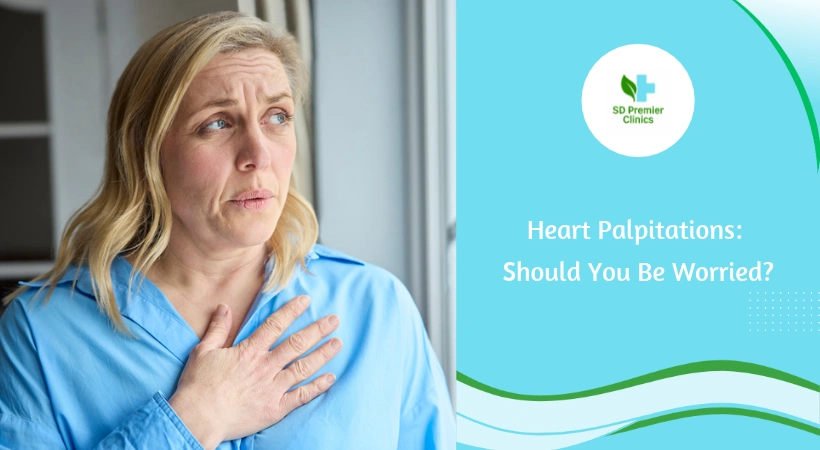
Most people experience occasional skipped beats or a brief fluttering sensation.Common heart palpitations causes include:
- Emotional stress
- Excess caffeine
- Sleep deprivation
- Certain medications
However, recurring palpitations can sometimes signal an underlying rhythm disorder.Seek medical attention if palpitations are accompanied by:
- Dizziness
- Shortness of breath
- Chest discomfort
- Near-fainting or fainting episodes
Your heartbeat should not regularly feel chaotic, rapid, or unpredictable.
4. Fatigue That Rest Doesn't Fix
Heart-related fatigue feels different from the tiredness that follows a busy week.
- Patients often describe:
- Waking up exhausted
- Needing frequent naps
- Feeling drained by routine activities
- A lack of energy that persists despite adequate sleep
When the heart's pumping ability declines, the body must redirect energy toward maintaining essential functions. This can leave you feeling depleted long before more obvious symptoms appear.For many individuals, particularly women, persistent fatigue can be one of the earliest and most overlooked signs of cardiovascular disease.
5. Swollen Ankles Could Be More Than a Circulation Issue
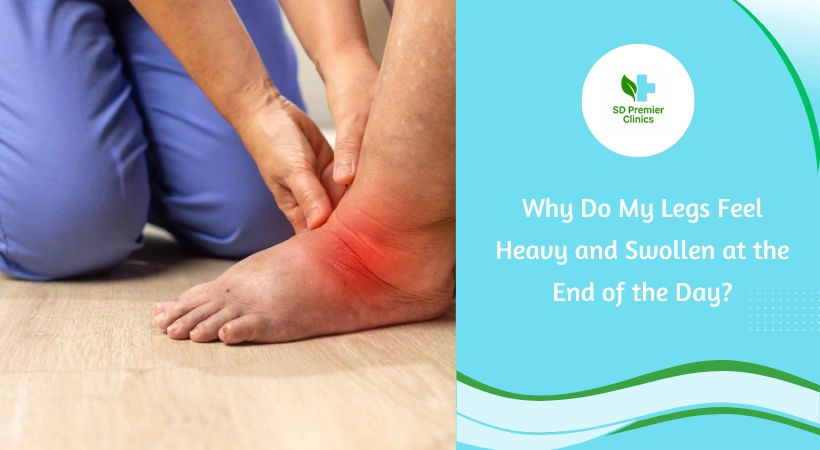
At the end of a long day, mild swelling may seem harmless. But when swelling becomes persistent or progressively worse, it may indicate that the heart is struggling to move blood efficiently.As pressure builds within blood vessels, fluid can leak into surrounding tissues, leading to:
- Swollen ankles
- Puffy feet
- Lower leg swelling
- Sudden weight gain from fluid retention
While many conditions can cause swelling, ongoing symptoms warrant medical evaluation.
6. Dizziness Isn't Always About Blood Sugar or Dehydration
Occasional lightheadedness can happen for many reasons. However, repeated episodes may indicate that the brain is not receiving adequate blood flow.
Heart-related causes may include:
- Abnormal heart rhythms
- Heart valve disorders
- Reduced cardiac output
- Changes in blood pressure regulation
Recurring dizziness should never become your "new normal," especially when accompanied by chest symptoms or palpitations.
7. The Pain Isn't in Your Chest
Heart-related discomfort can travel beyond the chest.Some people experience:
- Jaw pain
- Neck tension
- Shoulder discomfort
- Upper back pain
- Arm pain, particularly on the left side
Because these symptoms often resemble muscle strain, arthritis, or tension, they are frequently overlooked.
Women are more likely than men to report less traditional heart symptoms, including fatigue, nausea, jaw pain, upper back discomfort, and shortness of breath.Understanding these differences can help prevent delayed diagnosis and treatment.
When Should You Stop Monitoring and Start Calling a Doctor?
Many people wait for symptoms to become severe before seeking help.
Instead, consider scheduling an evaluation when symptoms:
- Persist for several weeks
- Become more frequent
- Interfere with daily activities
- Occur during physical exertion
- Appear alongside a family history of heart disease
Heart conditions are often easier to manage when identified early.
Protecting Your Heart Before Problems Develop
Heart health isn't built during a medical emergency, it's built through consistent prevention.
Protect your cardiovascular health by:
- Scheduling regular wellness visits
- Monitoring blood pressure and cholesterol
- Staying physically active
- Following a heart-conscious diet
- Avoiding tobacco products
- Managing chronic conditions such as diabetes
- Prioritizing quality sleep and stress management
Small actions today can significantly reduce your future risk.
Listen When Your Heart Speaks!
The heart rarely stops working without first sending signals. The challenge is recognizing those signals before they become impossible to ignore.
Chest discomfort, declining stamina, unexplained fatigue, palpitations, swelling, dizziness, and pain that radiates beyond the chest can all be important clues that something deserves further attention.
Listening to these warning signs, and acting on them, can help identify potential heart problems early, when treatment is often most effective.
Don't Ignore What Your Heart Is Telling You with SD Premier Clinics
Persistent fatigue, chest discomfort, shortness of breath, or heart palpitations are not symptoms you should simply push aside. At SD Premier Clinics, our experienced cardiology team evaluates potential heart concerns with comprehensive diagnostic testing and personalized care designed to uncover the cause of your symptoms and guide the next steps.
Contact us today and gain the answers you need to protect your heart health before a small warning sign becomes a bigger concern.
Frequently Asked Questions
1. What are the most common warning signs of heart disease?
Common signs include chest discomfort, shortness of breath, heart palpitations, fatigue, dizziness, swelling in the legs, and pain in the jaw, neck, back, or arms.
2. When should I worry about chest tightness symptoms?
Seek medical attention if chest tightness is severe, recurring, worsens with activity, or occurs with shortness of breath, nausea, or dizziness.
3. What are common causes of heart palpitations?
Stress, caffeine, lack of sleep, and certain medications can cause palpitations. Frequent or persistent episodes should be evaluated by a healthcare provider.
4. Can fatigue be a sign of heart disease?
Yes. Ongoing fatigue that doesn't improve with rest may be an early sign of an underlying heart condition.
5. Do women experience different heart disease symptoms than men?
Yes. Women are more likely to experience fatigue, nausea, shortness of breath, and jaw or back pain instead of classic chest pain.
More Resources :