


What Is Sleep Apnea?
Sleep apnea is a disorder where breathing repeatedly stops and starts during sleep.
- Obstructive Sleep Apnea (OSA): Throat muscles relax and block the airway
- Central Sleep Apnea (CSA): The brain fails to signal the breathing muscles
Up to 80% of moderate-to-severe cases remain undiagnosed, making early detection essential.
Symptoms and Warning Signs of Sleep Apnea
Nighttime Signs:
Loud Snoring
Gasping or Choking During Sleep
Restless sleep and frequent awakenings
Daytime Signs:
Excessive Daytime Sleepiness
Morning Headaches
Difficulty concentrating or memory issues
Irritability
Not all patients who snore, experience fatigue, or daytime sleepiness alone may indicate sleep apnea.
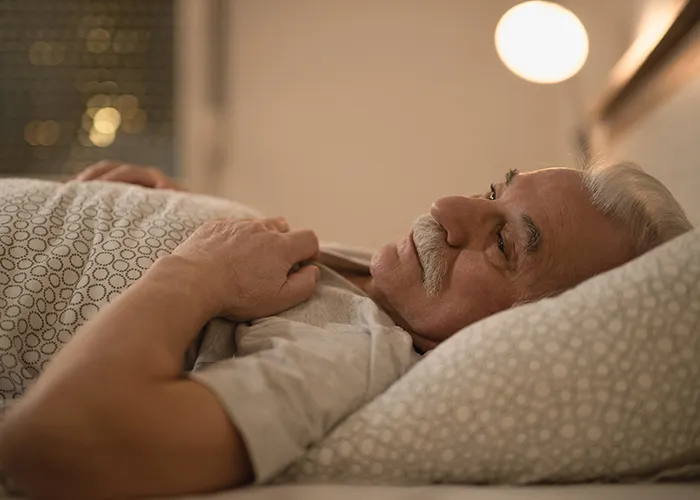
How Sleep Apnea Affects Your Heart
Each apnea episode lowers oxygen levels and triggers an adrenaline surge, which can:
- Raise blood pressure
- Trigger atrial fibrillation (AFib)
- Strain the heart over time
Sleep apnea is present in nearly 50% of patients with treatment-resistant hypertension, highlighting the importance of integrated care.
How We Diagnose Sleep Apnea at SD Premier Clinics
Clinical Evaluation
Review symptoms, risk factors, and medical history
At-Home Sleep Study (HSAT)
Comfortable, convenient testing in your own bed
Expert Interpretation
Results reviewed by our pulmonary experts to create a personalized treatment plan
Why Choose SD Premier Clinics for Sleep Apnea Care?
We provide expert sleep and heart care with a focus on safety, precision, and long-term wellness.
Timely Access
Quick evaluation and follow-up appointments
Comprehensive Care
Pulmonology and cardiology collaboration for full assessment
Evidence-Based Treatment
Proven strategies for sleep apnea and associated cardiovascular risks
Personalized Approach
Care tailored to your sleep patterns, symptoms, and heart health
Supportive Team
Guidance and education at every step of your evaluation and treatment
Convenient Location
Easy access with free parking in South San Diego
Breathe Better. Sleep Better.
Improve your sleep, reduce daytime fatigue, and lower cardiovascular risks with expert evaluation and coordinated care.
FAQs
Loud snoring, gasping or choking at night, daytime fatigue, morning headaches, and difficulty concentrating.
Through clinical evaluation and an at-home sleep study (HSAT), reviewed by our pulmonology team.
Yes, it can contribute to high blood pressure that does not respond to typical medications.
Yes, untreated sleep apnea can trigger irregular heart rhythms, including atrial fibrillation.
Yes, depending on severity, options include oral appliances, lifestyle modifications, positional therapy, or surgical interventions.